

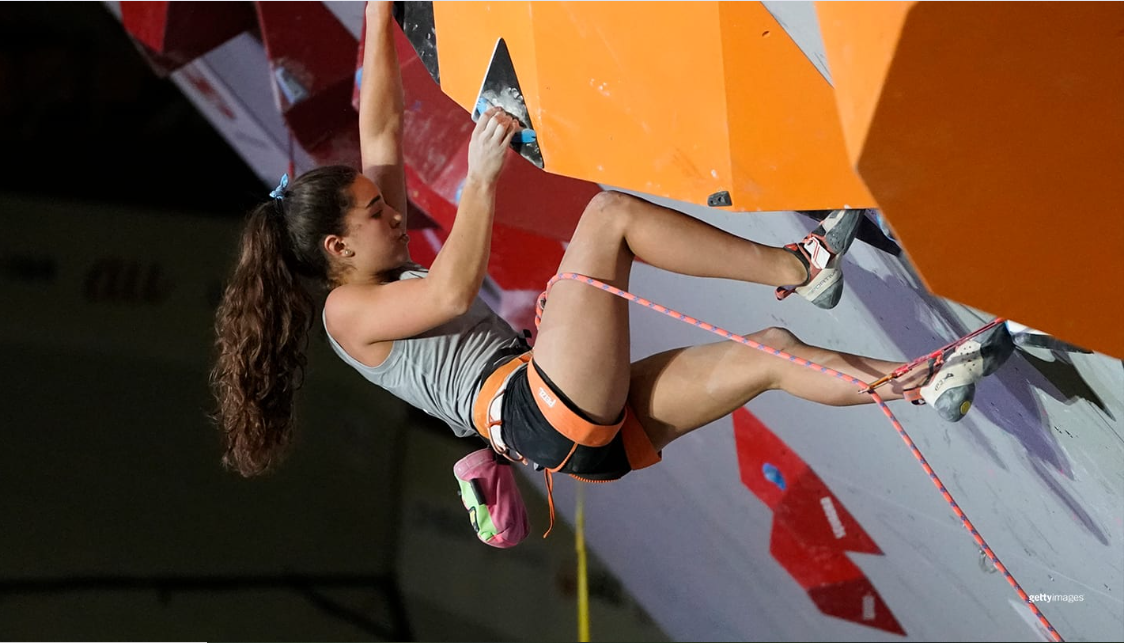
Sport climbing is one of the most exciting and rapidly growing sports worldwide. Its debut in the Olympics brought a new kind of energy and challenge for both athletes and fans. The Sport Climbing Combined Olympics event tests climbers’ skills in three disciplines: speed climbing, bouldering, and lead climbing. This article will take you through the top moments from the history of sport climbing combined in the Olympics, offering insights into its origins, memorable performances, and what the future holds.
What Is Sport Climbing Combined in the Olympics?
Before diving into the moments, it’s important to understand what the sport climbing combined format means in the Olympic context. This combined event consists of three climbing disciplines:
- Speed Climbing: A race to the top on a standardized route, testing how fast a climber can ascend.
- Bouldering: Climbers solve short but complex climbing problems without ropes on low walls.
- Lead Climbing: Climbers try to reach as high as possible on a long, challenging route within a set time.
The combined score is calculated by multiplying the rankings in each discipline, and the lowest total score wins. This format makes it a true test of versatility.
The Olympic Debut: Tokyo 2020

Moment 1: Sport Climbing Makes History in Tokyo 2020
The biggest moment in sport climbing history was its Olympic debut at the Tokyo 2020 Summer Olympics (held in 2021 due to the pandemic). For the first time ever, climbers from around the world competed for Olympic medals, making it a historic milestone for the sport.
- Why It Was Special: Sport climbing had been lobbying for Olympic inclusion for years. Its debut was a major win for the climbing community.
- Notable Athletes: Japan’s own Tomoa Narasaki and Akiyo Noguchi were fan favorites, along with international stars like Adam Ondra from the Czech Republic.
- Venue: The Aomi Urban Sports Park in Tokyo hosted the event, showcasing modern climbing walls designed specifically for the Olympics.
Moment 2: Janja Garnbret’s Stunning Victory
One of the most memorable highlights was Janja Garnbret’s performance in the women’s combined event. The Slovenian climber dominated the competition and won the gold medal with an impressive display of skill, especially in bouldering and lead climbing.
- Garnbret was a bouldering and lead specialist but had to adapt to the combined format, including speed climbing.
- Her victory made her the first-ever female Olympic champion in sport climbing.
- This moment inspired many young climbers worldwide.
Moment 3: Alberto Ginés López – Spain’s Young Sensation
On the men’s side, Alberto Ginés López from Spain surprised everyone by clinching the gold medal. At just 18 years old, he became one of the youngest Olympic gold medalists in the sport.
- His calmness and composure during the speed climbing races gave him an edge.
- This win put Spain on the sport climbing map and highlighted the potential of young athletes.
Top Performances and Rivalries
Moment 4: The Fierce Rivalry Between Japan and Slovenia
Japan and Slovenia emerged as powerhouses in the sport climbing combined Olympics. The rivalry between their athletes brought exciting battles and raised the level of competition.
- Japan’s Tomoa Narasaki and Slovenia’s Janja Garnbret often competed for podium finishes.
- These matchups generated huge interest and media attention.
Moment 5: The Dramatic Speed Climbing Finals
Speed climbing in the combined format often produced unexpected twists. Many climbers who excelled in bouldering and lead struggled in speed, affecting the overall results.
- The speed finals at Tokyo 2020 were full of nail-biting races.
- For example, a false start or slip could cost a climber crucial points.
The Evolution of the Format
Moment 6: Changes After Tokyo 2020
After the Tokyo Games, the International Federation of Sport Climbing (IFSC) decided to adjust the Olympic format for future games.
- From Paris 2024, speed climbing will be a separate medal event, while bouldering and lead will be combined.
- This change was made to better showcase athletes’ strengths and provide more medals.
Training and Preparation: Behind the Scenes
Moment 7: The Intense Training Regimens
Athletes preparing for the combined event had to train for three very different disciplines, which was a unique challenge.
- Speed climbing requires explosive power and fast reflexes.
- Bouldering demands problem-solving and strength.
- Lead climbing focuses on endurance and technique.
Many athletes shared their training routines, inspiring fans and newcomers.
Impact on the Sport and Community
Moment 8: Bringing Climbing Into the Mainstream
The Olympic debut brought sport climbing to millions of new viewers worldwide.
- Climbing gyms saw increased memberships.
- Young athletes started to dream bigger.
- Sponsors and media began investing more in the sport.
Moment 9: Inclusivity and Global Growth

The Olympics helped promote climbing in countries where it was less known.
- More nations participated.
- It sparked discussions on accessibility and expanding climbing opportunities.
About Sport Climbing Combined Olympics
Q1: What disciplines are included in the sport climbing combined event?
A1: The combined event includes speed climbing, bouldering, and lead climbing.
Q2: How is the winner decided in the combined event?
A2: The winner is the athlete with the lowest product of their rankings in the three disciplines.
Q3: When was sport climbing first included in the Olympics?
A3: Sport climbing made its Olympic debut in Tokyo 2020.
Q4: Will the combined format change in future Olympics?
A4: Yes, from Paris 2024, speed climbing will be separate, and bouldering and lead will be combined.
Q5: Who are some famous sport climbing Olympians?
A5: Janja Garnbret, Alberto Ginés López, and Tomoa Narasaki are notable Olympians.
Conclusion: Sport Climbing’s Bright Olympic Future
The history of sport climbing combined in the Olympics is short but incredibly exciting. From its historic debut at Tokyo 2020 to the thrilling performances of world-class athletes, the combined event showcased the true spirit of climbing — strength, agility, and problem-solving. As the sport evolves with changes in format and growing global interest, the future looks bright. For fans and athletes alike, the Olympics have become the ultimate stage to celebrate sport climbing’s unique challenges and triumphs.
Whether you are a casual viewer or a climbing enthusiast, these top moments remind us why sport climbing deserves its place in the Olympic spotlight. Keep watching, because this sport is only just getting started!
