

1. Introduction to St John’s Wort
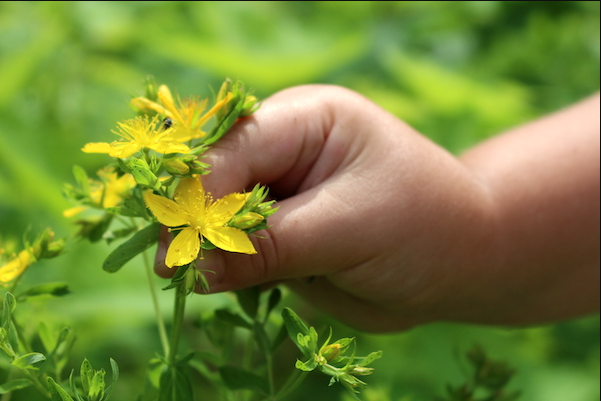
st john’s wort (Hypericum perforatum) is a yellow-flowering herb native to Europe and used for centuries as a natural remedy for mental health issues. Named after St. John the Baptist, it blooms around late June, close to his feast day. Traditionally, it was used to ward off evil spirits and promote healing. Today, it’s widely recognized as an herbal supplement known for its potential antidepressant effects. Modern studies have shown that compounds like hypericin and hyperforin affect neurotransmitters in the brain, such as serotonin, dopamine, and norepinephrine, improving overall mood and emotional balance.
2. Historical Background
The use of St John’s Wort dates back to ancient Greece, where Hippocrates and Pliny the Elder described its healing properties. During the Middle Ages, it was considered a holy herb that protected people from evil. Its Latin name “Hypericum” translates to “above the spirit,” referring to its perceived power to drive away sadness and darkness. Over time, traditional healers used it to treat wounds, burns, and nerve pain. By the 20th century, researchers began exploring its mood-enhancing effects, leading to its widespread use as a natural antidepressant alternative.
3. Active Compounds and How It Works
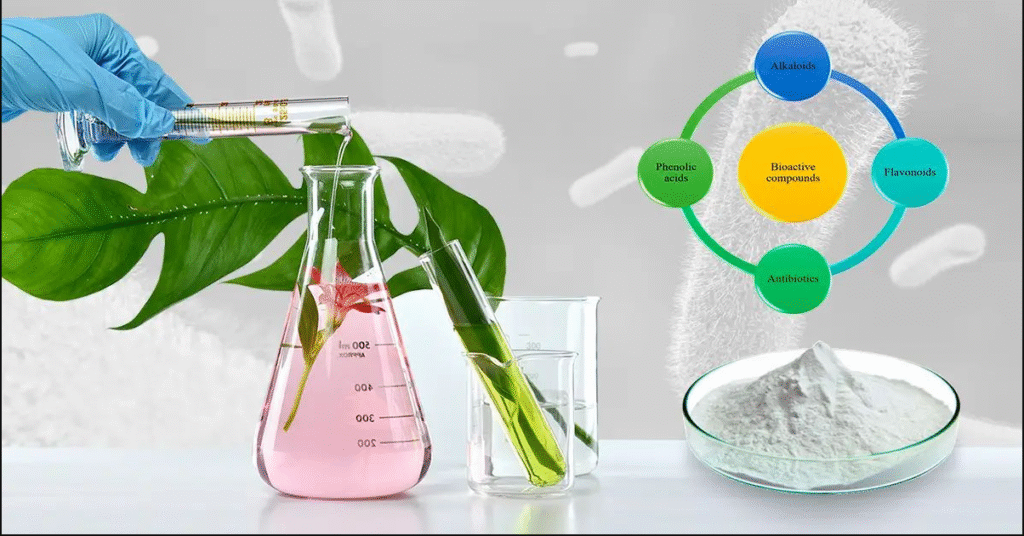
St John’s Wort’s effectiveness comes from its bioactive compounds, mainly hypericin, hyperforin, and flavonoids. These substances influence neurotransmitter activity, similar to how prescription antidepressants function. They inhibit the reuptake of serotonin, dopamine, and norepinephrine, allowing these “feel-good” chemicals to remain longer in the brain. Additionally, St John’s Wort has antioxidant and anti-inflammatory effects that may further support mental wellness. However, its strength and composition vary greatly depending on the manufacturer and preparation method.
4. Health Benefits of St John’s Wort
The main benefit of St John’s Wort is its antidepressant and mood-stabilizing effect. Studies suggest that it is as effective as some prescription antidepressants for mild to moderate depression, with fewer side effects. It also helps reduce anxiety, stress, and fatigue, supporting emotional balance. Some people use it to manage seasonal affective disorder (SAD) or premenstrual mood swings. Additionally, topical forms of St John’s Wort oil can promote wound healing, soothe skin irritation, and relieve minor burns due to its antibacterial and anti-inflammatory properties.
5. St John’s Wort and Depression
Clinical research has demonstrated that St John’s Wort can significantly improve symptoms of mild to moderate depression, though it’s not recommended for severe cases. Its mechanism resembles selective serotonin reuptake inhibitors (SSRIs), but without causing strong dependency or withdrawal. Many people report improved mood, better sleep, and reduced nervousness after consistent use for several weeks. However, effectiveness depends on dosage, extract quality, and individual brain chemistry, so results vary widely.
6. Dosage and Forms
St John’s Wort is available in several forms, including:
- Capsules/Tablets: Standardized extracts (0.3% hypericin) are most common.
- Tea: Made from dried flowers, offering mild relaxation benefits.
- Oil: Applied topically for skin issues and muscle pain.
- Tinctures: Liquid extracts for quick absorption.
A typical oral dosage for mood support is 300 mg, three times daily of standardized extract. Always start with a low dose and increase gradually. Because herbal supplements vary, it’s best to choose reputable brands with consistent potency.
7. How Long Does It Take to Work?
Most users notice effects after 2–4 weeks of consistent use. Unlike chemical antidepressants, herbal remedies take longer to build up in the body. The key is consistency and patience. Skipping doses or switching brands frequently can reduce effectiveness. For best results, combine use with regular exercise, a balanced diet, and mindfulness practices.
8. Side Effects and Precautions
Although generally safe, St John’s Wort can cause side effects such as dry mouth, dizziness, fatigue, or mild stomach upset. It may also increase sensitivity to sunlight, leading to sunburn or rash after prolonged exposure. Rarely, it can cause anxiety or restlessness if taken in high doses. Pregnant and breastfeeding women should avoid it, as safety data is limited.
9. Drug Interactions
This is one of the most important cautions: St John’s Wort interacts with many medications, including:
- Antidepressants (SSRIs, MAOIs)
- Birth control pills
- Blood thinners (Warfarin)
- HIV and cancer medications
- Anti-seizure drugs
These interactions can reduce the effectiveness of medications or cause dangerous side effects. Always consult a healthcare provider before combining it with any prescription medicine.
10. St John’s Wort vs. Prescription Antidepressants
Unlike pharmaceutical antidepressants, St John’s Wort is a natural alternative with fewer reported side effects. However, prescription drugs are more reliable for severe depression. St John’s Wort works best for those with mild mood disturbances or situational stress. It’s not a quick fix but can be a sustainable, holistic addition to a wellness routine.
11. Who Should Use St John’s Wort?
It’s ideal for adults experiencing mild depression, low energy, or anxiety who prefer a natural approach. It may also benefit those seeking to reduce dependence on synthetic medications. However, individuals with bipolar disorder, severe depression, or suicidal thoughts should avoid self-treatment and seek immediate medical care.
12. St John’s Wort and Sleep
This herb can indirectly improve sleep quality by reducing anxiety and stabilizing mood. However, in some cases, it may cause mild insomnia if taken too late in the day. For better sleep results, it’s recommended to take the supplement in the morning or early afternoon.
13. How to Choose the Right Product

When buying St John’s Wort supplements, look for:
- Standardized extract (0.3% hypericin)
- Reputable manufacturers with lab testing
- Transparent ingredient labeling
- Non-GMO and additive-free formulas
Avoid cheap, unverified brands, as inconsistent quality can reduce effectiveness or increase risk of side effects.
14. Is St John’s Wort Legal and Safe Worldwide?
Yes, it is legal in most countries, though regulations differ. In Germany, for example, it’s sold as an over-the-counter remedy for mild depression, while in the U.S. it’s classified as a dietary supplement. Always check your local regulations, as dosage limits and purity standards may vary.
15. Conclusion
St John’s Wort is one of nature’s most studied and trusted herbal antidepressants. While it’s not a substitute for professional mental health care, it offers a valuable alternative for those looking to manage mild depression or anxiety naturally. With the right dosage, proper guidance, and consistent use, this centuries-old remedy can support a more balanced, positive mood — naturally and safely.
about St John’s Wort
Q1: Can I take St John’s Wort with antidepressants?
No, combining them can lead to serious side effects such as serotonin syndrome. Always consult your doctor first.
Q2: Is St John’s Wort safe for long-term use?
Yes, many studies support its safety for up to one year, but continuous monitoring is recommended.
Q3: Does St John’s Wort affect birth control pills?
Yes, it can reduce their effectiveness. Alternative contraception should be used.
Q4: Can St John’s Wort help with anxiety?
Yes, it can reduce anxiety related to mild depression, though it’s not a treatment for generalized anxiety disorder.
Q5: How should I store St John’s Wort supplements?
Keep them in a cool, dry place away from sunlight to preserve potency.
