


Introduction: Understanding Spanking in Parenting
Spanking has been a widely debated parenting method for decades. Traditionally, many parents viewed spanking as a quick way to correct a child’s misbehavior. However, modern research and shifting cultural values have challenged its effectiveness and safety. When we talk about spanking in parenting, it is not about violence but about the controlled act of using physical punishment, usually on the child’s bottom, to discourage unwanted behavior. The big question is: does spanking truly work, or does it do more harm than good?
A Historical Look at Spanking
For centuries, spanking was considered a normal and even necessary part of raising children. In many cultures, parents and teachers believed that discipline required strict physical correction. Proverbs such as “spare the rod, spoil the child” reinforced the idea that spanking was essential for moral upbringing. Schools in various countries, especially during the 19th and 20th centuries, openly practiced corporal punishment. Over time, however, human rights movements, child psychology research, and modern parenting philosophies began to question whether spanking was the right approach.
Cultural Differences in Spanking Practices
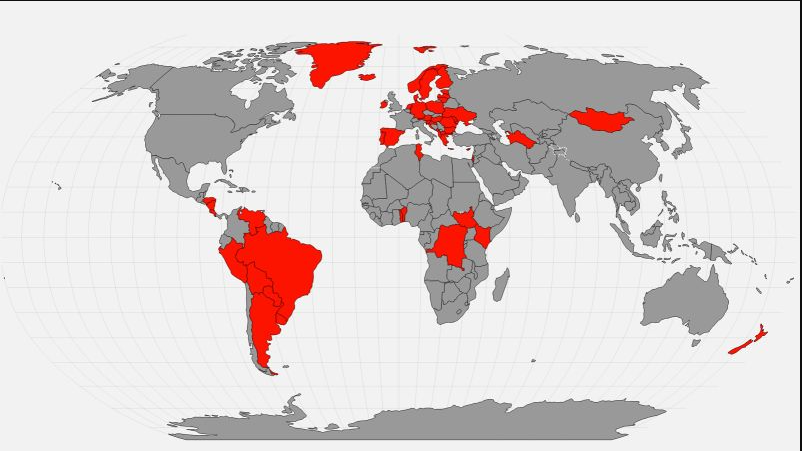
Spanking is not viewed the same way around the world. In some societies, particularly in parts of Asia, Africa, and Latin America, spanking is still seen as a normal form of discipline. In contrast, many European countries, such as Sweden, Norway, and Germany, have banned spanking altogether, both at home and in schools. In the United States, the debate continues: while corporal punishment in schools is banned in many states, it remains legal in others. These cultural differences highlight how spanking is not just about discipline, but also about traditions, values, and societal norms.
The Psychology Behind Spanking
Child psychologists have studied the long-term effects of spanking for decades. Many experts argue that spanking teaches children to fear punishment rather than understand why their behavior is wrong. Instead of learning self-control, children may become more secretive or rebellious. Some studies also suggest that frequent spanking can increase aggression, anxiety, and lower self-esteem. On the other hand, some parents claim that occasional spanking, when done calmly and without anger, can be effective in stopping dangerous behavior. The psychology of spanking is complex, and the effectiveness often depends on context, frequency, and parenting style.
Legal Perspectives on Spanking Worldwide
Laws on spanking vary widely from country to country. Sweden became the first nation to ban all forms of corporal punishment in 1979, and since then, over 60 countries have followed. In these nations, spanking at home is considered harmful and illegal. In contrast, countries like the United States and Canada allow spanking under specific conditions, such as when it does not leave lasting harm. Legal debates often focus on balancing parental rights with children’s rights. The growing global trend leans toward banning spanking in favor of positive discipline methods.
The Arguments in Favor of Spanking
Supporters of spanking argue that it can be a useful tool when used sparingly and in moderation. They believe it provides immediate consequences for misbehavior, helping children understand limits quickly. Some parents also argue that spanking is part of their cultural or religious tradition and should be respected as such. They emphasize that when spanking is done with love, without anger, and not excessively, it can be effective in teaching discipline. For many families, spanking remains a traditional practice tied to their personal beliefs about parenting.
The Arguments Against Spanking
On the other side, critics believe spanking does more harm than good. They argue that it teaches children that violence is an acceptable way to solve problems. Studies often link spanking to increased aggression in children, suggesting that kids may imitate the behavior by hitting others. Additionally, spanking can damage the parent-child relationship, replacing trust with fear. Many child psychologists recommend against spanking, claiming that there are healthier ways to teach discipline. As more countries outlaw the practice, the argument against spanking continues to gain momentum.
Alternatives to Spanking in Parenting
Modern parenting emphasizes positive discipline rather than physical punishment. Alternatives to spanking include:
- Time-outs: Giving children time to calm down and reflect on their actions.
- Natural consequences: Allowing children to experience the outcome of their behavior, like losing a toy if they break it.
- Reward systems: Encouraging good behavior with praise, stickers, or small rewards.
- Clear communication: Explaining why a behavior is wrong and discussing better choices.
- Consistency: Enforcing rules fairly and regularly without relying on physical punishment.
These methods not only discourage bad behavior but also help children develop emotional intelligence and self-control.
The Role of Parents in Discipline Choices
Ultimately, the choice of discipline method belongs to parents. However, it is important for them to consider the long-term impact of their decisions. Discipline is not just about stopping misbehavior but about guiding children toward responsible adulthood. Parents are encouraged to choose methods that build trust, respect, and understanding. Whether or not spanking is used, the overall parenting approach should emphasize love, consistency, and clear boundaries.
What Experts Recommend About Spanking
Most child development experts and organizations, such as the American Academy of Pediatrics, recommend against spanking. They suggest that parents should adopt non-violent discipline strategies to foster healthier child development. Their stance is based on research showing the negative emotional and behavioral effects of spanking. Experts argue that even if spanking appears effective in the short term, it does not provide children with the skills they need to manage emotions or make responsible choices in the future.
Spanking in Schools: A Declining Practice
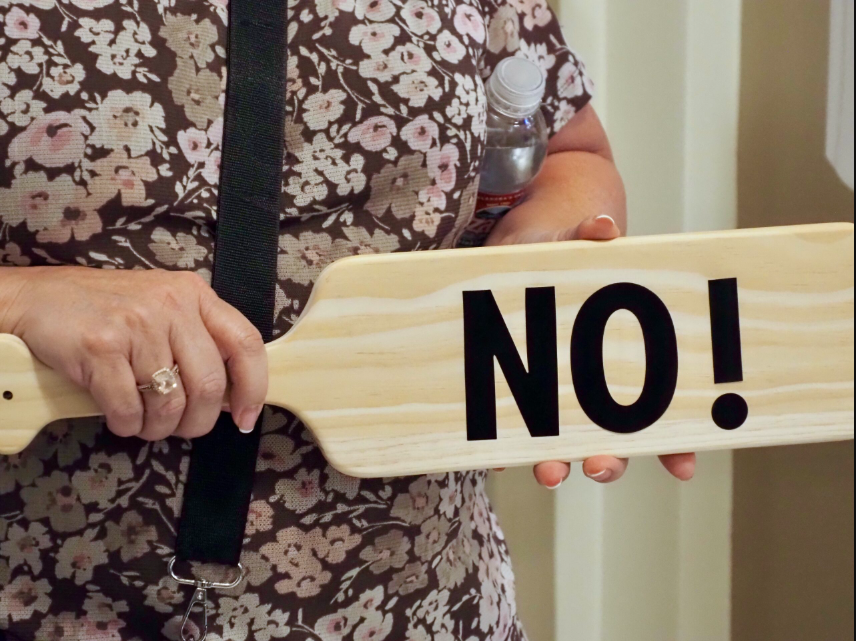
Spanking in schools, often referred to as corporal punishment, has declined significantly in recent decades. Many countries now see it as a violation of children’s rights. In places where it is still legal, it is often controversial, with parents and educators divided on the issue. Critics argue that schools should be safe environments for learning, not places where children fear physical punishment. The shift toward positive behavioral support systems reflects the global movement away from spanking in education.
Common Myths About Spanking
Several myths surround the practice of spanking. One common belief is that “spanking never harmed previous generations.” However, research shows that many people who experienced frequent spanking developed hidden emotional struggles. Another myth is that spanking is the only way to discipline strong-willed children. In reality, consistent boundaries and positive discipline can be equally effective without physical punishment. By addressing these myths, parents can make more informed choices.
The Future of Discipline Practices
As society evolves, so do parenting methods. The global trend points toward non-violent discipline, supported by science, law, and changing cultural values. While spanking may not disappear entirely, its role in parenting is shrinking. The future of discipline is likely to focus more on understanding children’s psychology, fostering empathy, and teaching problem-solving skills rather than relying on fear-based methods.
About Spanking
Q1: Is spanking legal in the United States?
Yes, spanking is legal in the U.S., but laws vary by state, and excessive punishment can be considered abuse.
Q2: Does spanking work as discipline?
It may stop misbehavior immediately, but research shows it is not effective long-term and can lead to negative side effects.
Q3: Which countries have banned spanking?
Sweden, Germany, Norway, New Zealand, and over 60 other countries have banned all forms of corporal punishment.
Q4: What can I do instead of spanking?
Alternatives include time-outs, natural consequences, reward systems, and consistent communication.
Q5: Is spanking harmful to children?
Frequent or harsh spanking can cause emotional and behavioral problems, leading experts to recommend positive discipline instead.
